

MNLEND Commitment to Linguistic, Cultural, and Geographic Communities
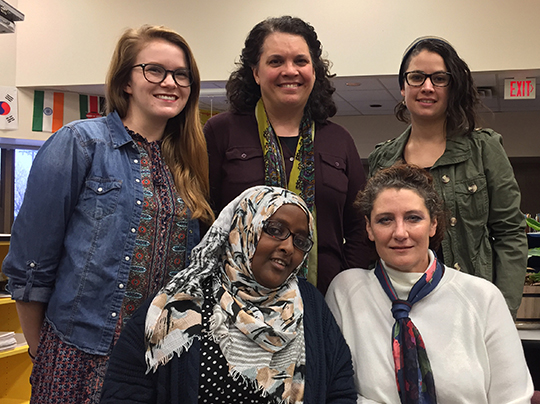
MNLEND actively recruits, trains, and supports fellows who often come from varied linguistic, cultural, and/or geographic backgrounds to ensure authentic interdisciplinary learning takes place among future leaders with a variety of skills and experiences.
Trainees from all walks of life in MNLEND help not only to bridge understanding among one another across differences, but they also serve to develop excellence in interdisciplinary and collaborative leadership in neurodevelopmental disabilities across the state and region.
MNLEND Trainee Background in Numbers
2025-26: Of 19 fellows, 74% of all MNLEND fellows were family members of individuals with a disability or identified as having a disability, and 42% of all fellows were from underrepresented linguistic, cultural, and/or geographic backgrounds.
2024-25: Of 28 fellows, 71% of all MNLEND fellows were family members of individuals with a disability or identified as having a disability, and 61% of all fellows were from underrepresented linguistic, cultural, and/or geographic backgrounds.
2023-24: Of 29 fellows, 62% of all MNLEND fellows were family members of individuals with a disability or identified as having a disability, and 50% of all fellows were from underrepresented linguistic, cultural, and/or geographic backgrounds.
2022-23: Of 29 fellows, 55% of all MNLEND fellows were family members of individuals with a disability or identified as having a disability, and 55% of all fellows were from underrepresented linguistic, cultural, and/or geographic backgrounds.
2021-22: Of 29 fellows, 59% of all MNLEND fellows were family members of individuals with a disability or identified as having a disability, and 52% of all fellows were from underrepresented linguistic, cultural, and/or geographic backgrounds.
2020-21: Of 31 fellows, 61% of all MNLEND fellows were family members of individuals with a disability or identified as having a disability, and 52% of all fellows were from diverse underrepresented linguistic, cultural, and/or geographic backgrounds.
2019-20: Of 29 fellows, 41% of all MNLEND fellows were family members of individuals with a disability or identified as having a disability, and 52% of all fellows were from underrepresented linguistic, cultural, and/or geographic backgrounds.
2018-19: Of 28 fellows, 46% of all MNLEND fellows were family members of individuals with a disability or identified as having a disability, and 43% of all fellows were from underrepresented linguistic, cultural, and/or geographic backgrounds.
2017-18: Of 33 fellows, 52% of all MNLEND fellows were family members of individuals with a disability or identified as having a disability, and 33% of all fellows were from underrepresented linguistic, cultural, and/or geographic backgrounds.
2016-17: Of 28 fellows, 46% of all MNLEND fellows were family members of individuals with a disability or identified as having a disability, and 22% of all fellows were from underrepresented linguistic, cultural, and/or geographic backgrounds.
2015-16: Of 22 fellows, 45% of all MNLEND fellows were family members of individuals with a disability or identified as having a disability, and 32% of the community-based fellows identified as being from underrepresented linguistic, cultural, and/or geographic backgrounds.
2014-15: Of 21 fellows, 29% of all fellows were family members of individuals with a disability or identified as having a disability, and 38% of all fellows came from underrepresented linguistic, cultural, and/or geographic backgrounds.
2013-14: Of 18 fellows, 22% of all fellows were family members of individuals with a disability or identified as having a disability, and 38% of all fellows came from underrepresented linguistic, cultural, and/or geographic backgrounds.
2012-13: Of 13 fellows, 15% of all fellows were family members of individuals with a disability or identified as having a disability, and 39% of all fellows came from underrepresented linguistic, cultural, or geographic backgrounds.
2011-12: Of 18 fellows, 61% of all fellows were family members of individuals with a disability or identified as having a disability, and 39% of all fellows came from underrepresented linguistic, cultural, or geographic backgrounds. LEND moved to ICI starting this year.
2010-11: Of 14 fellows, 21% of all fellows were family members of individuals with disabilities or identified as having a disability, and 22% of all fellows came from underrepresented linguistic, cultural, or geographic backgrounds. Housed in Pediatrics.
2009-10: Of 12 fellows, 8% of all fellows were family members of individuals with disabilities or identified as having a disability, and 42% of all fellows came from underrepresented linguistic, cultural, or geographic backgrounds. Housed in Pediatrics.



 FIND OUT HOW YOU CAN